Source Electric Automatic Pneumatic Tourniquet System for Surgery
Find and compare 30 electric automatic pneumatic tourniquet system models for orthopedic surgery. Review specifications like pressure accuracy, battery capacity, and certifications to select the right equipment for your surgical needs; compare the available evidence and request quotations based on your requirements.
Key considerations
Products List




Comprehensive Sourcing Guide
Electric Automatic Pneumatic Tourniquet System Sourcing Guide
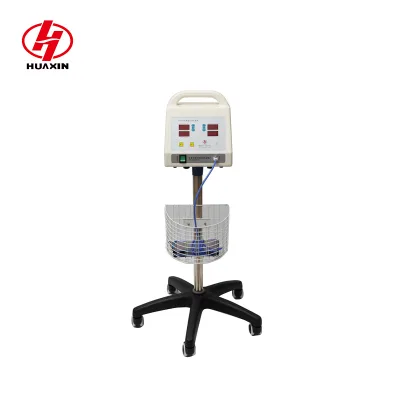
Procurement of electric automatic pneumatic tourniquet systems requires careful evaluation of the specific surgical environment, as these devices are primarily designed for orthopedic surgery to provide a bloodless field. Buyers must distinguish between models intended for adult patient groups and those with varying pressure capabilities, as the observed market includes units with maximum working pressures ranging from 650mmHg to 90 Kpa. Understanding these operational limits is critical before initiating a tender, as the device must match the specific pressure requirements of the intended surgical procedures to ensure patient safety and procedural efficacy.
The observed product landscape reveals significant variation in power sources and battery configurations, necessitating a clear definition of operational needs. While some units rely on standard AC power supplies ranging from 100-240V, others feature integrated lithium-ion batteries with capacities up to 2000mAh for portability. Sourcing teams must verify whether the facility requires a standalone unit with a 1400mAh capacity or a system with a 240-minute maximum working time, as these specifications directly impact the device's suitability for long-duration surgeries or mobile operating scenarios.
Product Scope and Observed Listing Signals
Buyers should analyze the observed listing signals to identify the correct functional configuration, noting that models like the LFM-140 and ATS series offer distinct feature sets such as touch screens and double channels. The presence of customizable options allows for specific color selections including blue, red, yellow, and orange, which can be vital for hospital inventory management and visual identification. However, procurement teams must verify if the specific model selected includes an LCD display, as some units in the market are listed without this interface, potentially affecting the user's ability to monitor pressure settings in real-time.
Commercial listings indicate a wide price range from 0.01 to 2800 USD, reflecting differences in certification levels, material quality, and included accessories. The minimum order quantity typically ranges from one to five units, suggesting flexibility for smaller clinics or larger hospital networks. It is essential to scrutinize the packing specifications, as some suppliers offer standard export packing while others provide specialized ATS export packages, ensuring that the logistics and handling requirements align with the buyer's shipping and storage capabilities.
Technical Specifications to Verify
Technical verification must begin with the instrument classification, as the observed products are generally classified as Class I medical devices, which dictates the regulatory pathway and intended use limitations. Buyers need to confirm the pressure adjustment accuracy, with observed data indicating a precision of ±25mmHg for certain models, while others claim a control precision of 10mmHg. This distinction is paramount for procedures requiring fine-tuned pressure control, and procurement teams should request detailed test data to validate these accuracy claims against the specific surgical requirements of their institution.
Environmental operating conditions and physical dimensions are equally critical for facility integration and operational safety. The devices must function within a temperature range of 5℃ to 40℃ and a relative humidity of up to 80%, with atmospheric pressure tolerance between 860hpa and 1060hpa. Additionally, the physical footprint, such as the main body size of 330310400mm or the base size of 650650180mm, must be assessed to ensure the equipment fits within the available space in the operating theater without obstructing surgical workflows or emergency access.
Compliance and Safety Documentation
Compliance verification is a non-negotiable step, as the market presents a mix of certifications including CE, FDA, and ISO standards. Some listings explicitly state FDA and ISOCE certification, while others list only CE or a combination of ISO and CE certificates. Procurement officers must demand valid, current certificates for the specific model being purchased, as the regulatory status determines the legal ability to import and use the device in the target market, and relying on generic certification claims without model-specific validation poses significant legal and safety risks.
Safety documentation must also address the power supply requirements and battery safety features to prevent operational failures during critical procedures. The observed power supply specifications of AC100-240V 50Hz/60Hz indicate broad compatibility with international grids, but buyers must verify the internal battery safety for models equipped with lithium-ion batteries. Ensuring that the device includes proper safeguards against over-inflation, with maximum rated output gas pressures clearly defined, is essential to prevent tissue damage and ensure the device adheres to the fundamental safety principles of surgical instruments.
Cost Drivers and Commercial Terms
Cost drivers for these systems are heavily influenced by the level of customization, the inclusion of advanced features like touch screens, and the specific certification portfolio of the unit. Models with double channels and higher pressure accuracy often command a premium, while basic units without LCD displays may be more cost-effective for high-volume, low-complexity applications. Buyers should analyze the total cost of ownership, considering that the initial purchase price is only one component of the financial equation when evaluating the long-term value of the equipment.
Commercial terms regarding minimum order quantities and packaging standards significantly impact the procurement strategy and budget allocation. With observed MOQs as low as one unit, smaller facilities can acquire equipment without significant capital outlay, whereas larger orders may benefit from bulk pricing structures. The packing method, whether standard export packing or specialized export cartons, also affects shipping costs and the risk of damage during transit, requiring buyers to factor these logistical expenses into the final commercial agreement to ensure a transparent and predictable total cost.
Supplier Qualification and Quality Control
Supplier qualification should focus on the manufacturing origin and the consistency of quality control processes, as the observed products originate from locations such as Jiangsu, China, and are generally located within 1.5 hours of Shanghai. Buyers must verify the supplier's ability to maintain consistent production standards, as the material composition, typically plastic, and the assembly of electronic components like the 2000mAh battery require rigorous quality assurance. Establishing a clear communication channel with the supplier is essential to ensure that the specific model ordered matches the technical specifications and certification claims provided in the initial listing.
Quality control protocols must extend beyond the initial inspection to include ongoing performance monitoring and maintenance support. Since the devices are often reusable, the supplier's ability to provide spare parts and technical support is a critical factor in the selection process. Buyers should inquire about the supplier's track record for handling warranty claims and their capacity to provide training on the operation of complex features like the time set range of 1-100 minutes, ensuring that the clinical staff can utilize the equipment safely and effectively throughout its lifecycle.
Long-Term Procurement Checks
Long-term procurement checks should prioritize the durability of the device and the availability of replacement parts to minimize downtime during surgical procedures. The observed maximum working time of 240 minutes and the initial inflate time of less than 30 seconds are key performance indicators that should be re-verified periodically to ensure the device has not degraded over time. Regular calibration checks are necessary to maintain the pressure control precision and ensure that the device continues to operate within the specified safety margins of ±25mmHg or 10mmHg.
Sourcing teams must also establish a protocol for monitoring changes in regulatory standards and certification requirements that may affect the continued use of the equipment. As medical regulations evolve, the validity of existing CE, FDA, or ISO certifications may change, requiring proactive management to ensure compliance. Additionally, buyers should track the performance of the battery and power supply systems, as these components are subject to wear and tear, and planning for their replacement is essential to maintain the reliability of the electric automatic pneumatic tourniquet system in the long term.
FAQs
What certifications do these tourniquet systems have?
These systems typically hold CE, ISO, and FDA certifications. The specific model LFM-140 features CE certification, while other variants like ATS-103 and ATS-101 include FDA and ISO approvals. Buyers should verify the exact certificate for the selected model to ensure compliance with regional medical device regulations and safety standards.
Can the device operate without a constant power source?
Yes, the system includes an internal lithium-ion battery with a capacity of 2000mAh. This allows for portable use during orthopedic surgeries. The device also supports AC100-240V power supply, ensuring reliable operation in various clinical environments where continuous electrical connectivity might be limited or unavailable.
What is the maximum pressure output of the machine?
The maximum rated output gas pressure reaches 650mmhg. Some models specify a maximum pressure of 90 Kpa, which equals approximately 675mmHg. The pressure adjustment accuracy is ±25mmhg, allowing for precise control during surgical procedures to ensure patient safety and effective blood flow restriction.
How long can the tourniquet run continuously?
The maximum working time is 240 minutes. Users can set the inflation time between 1 and 100 minutes depending on surgical needs. The initial inflate time is less than 30 seconds, ensuring rapid deployment. This duration supports extended orthopedic procedures without requiring frequent system interruptions or battery recharging.
Is customization available for these medical devices?
Customization is available for these automatic tourniquet systems. Buyers can request specific colors such as blue, red, yellow, or orange. The product is classified as a Class I instrument and can be tailored to meet specific operational requirements. Standard export packing is used for shipping to ensure safe delivery.
Where are these tourniquet systems manufactured?
These systems are manufactured in China, specifically in Jiangsu. One facility is located approximately 1.5 hours from Shanghai. The products are designed for global export with standard packaging. Buyers should confirm the exact origin and lead times with suppliers to align with their logistical requirements and supply chain strategies.